Replacing Dated Combination Window Assemblies in Sacramento
If you own an older home in Sacramento, there is a good chance you have at least one combination window assembly that has seen better days. These are the grouped units that often pair a large fixed pane with one or more operable sections, sometimes in layouts that made perfect sense decades ago but now feel clunky, drafty, and out of step with how people want a house to perform. They can be visually heavy, hard to clean, and expensive to ignore once seals fail or frames begin showing their age.
In Sacramento, window replacement decisions are rarely just about appearance. The climate pushes the issue. Summers are long, hot, and dry, and that changes what matters. A window that looked fine on paper in another region may not be the best fit here. Performance under direct sun, cooling efficiency, and how the assembly handles heat gain all deserve careful attention, especially when you are replacing an older multi-part unit that probably was not built with current energy standards in mind.
That is where these projects get interesting. Replacing a dated combination assembly is not always as simple as swapping glass for glass. Sometimes the opening itself deserves a rethink. Sometimes the best move is to preserve the original proportions while upgrading the performance. Sometimes homeowners start by asking about windows and end up discussing trim, weather barrier details, or even siding transitions around the opening. That is why a good window and siding contractor can be valuable on this kind of project. The window is the headline, but the surrounding wall has to be handled correctly too.
What makes combination window assemblies tricky
Single replacement windows are straightforward compared with old grouped assemblies. A combination unit may have several joined sections, different sightlines, and framing details that are easy to underestimate until the old unit comes out. In many older homes, these assemblies were designed around a particular era’s priorities. Bigger glass was fashionable, ventilation patterns were different, and energy performance standards were not what they are now.
The challenge is that age affects them unevenly. One sash may still operate, another may bind, and a fixed pane may look fine until afternoon sun turns that room into an oven. Homeowners often live with the problem longer than they should because the defects feel gradual. The living room gets warmer every summer. The room near the street sounds noisier than it used to. Condensation or deterioration appears around one corner. Nothing seems catastrophic, but the assembly no longer works the way a window should.
With grouped units, replacement also raises design questions. Do you replicate the original layout exactly, or simplify it? That depends on what you value most. Keeping the same configuration may preserve the exterior character. Simplifying the assembly may improve operation, sightlines, and maintenance. There is no universal right answer. The best choice depends on the house, the elevation, the room’s use, and how much direct sun the opening receives.
Why Sacramento changes the conversation
Sacramento’s hot-summer Mediterranean climate has a direct impact on window selection. Long, hot, dry summers mean cooling performance matters a great deal. Homeowners usually feel this first, not as an abstract metric, but as a room that heats up in the late afternoon and stays warm into the evening.
That is why solar control deserves real attention here. ENERGY STAR explains that energy-efficient windows are evaluated using measures such as U-factor and, where applicable, Solar Heat Gain Coefficient. In practical terms, lower solar heat gain helps block heat from sunlight. In Sacramento, that is not a minor detail. It can shape comfort in a very noticeable way, especially in rooms with broad west-facing or south-facing glass.
People sometimes focus only on pane count or brand recognition, but climate-fit matters more than marketing language. ENERGY STAR’s window performance criteria are based on NFRC ratings and vary by climate zone, so the right product should match local conditions. That is an important point in Sacramento. A good replacement choice here is not just a “better window” in general. It is a window assembly selected for this region’s heat patterns and cooling needs.
There is also a financial side to the conversation. ENERGY STAR lists Sacramento in its city savings estimates. Replacing existing windows with ENERGY STAR windows can reduce annual heating and cooling costs, with the estimate showing about $313 in savings for single-pane clear windows and about $105 for double-pane clear windows. Those figures are estimates, not promises, and real results vary with the house and the existing conditions. Still, they are useful because they bring the discussion back to something tangible. In an older home with dated combination units, performance losses are not theoretical. They often show up on utility bills and in everyday comfort.
Nationwide, ENERGY STAR says certified windows, doors, and skylights can cut heating and cooling bills by up to 13 percent compared with non-certified products. Again, that is a broad figure, not a Sacramento-specific guarantee, but it supports what many homeowners already suspect when living with old glass in a hot climate. Windows matter more than people think.
The first decision, replace in kind or redesign the opening
This is usually the biggest fork in the road. Some dated combination assemblies are worth replicating visually because they are integral to the house’s architecture. Others were simply products of their time and are not worth preserving one-for-one. When I talk through this kind of choice with homeowners, the most useful approach is to slow down and separate appearance from function.
If the current assembly has awkward divisions that interrupt views, it may make sense to reduce the number of sections. A simpler layout can look cleaner and often feels more current without fighting the home’s character. On the other hand, if the pattern of the existing assembly gives the facade its rhythm, replacing it with a single large unit can look flat or out of scale.
There is also the matter of operation. Older combination windows sometimes include sections that nobody actually uses. A family room may have two operable side units, but one is blocked by furniture all year and the other barely opens because of age. If ventilation matters in that room, the replacement should support how the room is really lived in now, not how someone arranged it forty years ago.
A careful contractor will also study what happens around the opening. Wider grouped units affect trim, siding lines, and weatherproofing transitions. That is another reason these projects often benefit from someone who understands both openings and cladding details. A window and siding contractor is looking not just at the glass, but at how the entire opening performs once the new assembly is installed.
Energy performance is not just a spec sheet issue
There is a tendency to treat ratings as paperwork. They are not. In Sacramento, the wrong solar heat gain profile can leave a room uncomfortable even if the installation itself is excellent. The point is not to memorize performance values. The point is to choose a product that aligns with local climate and the orientation of the opening.
A large combination assembly on a sunny elevation behaves differently than a smaller shaded window on the north side of the house. That sounds obvious, yet many replacement discussions skip over it. Homeowners are often presented with generic product options instead of climate-aware recommendations. ENERGY STAR makes clear that product choice should match climate zone, and California’s Building Energy Efficiency Standards under Title 24, Part 6 reinforce the broader idea that compliance and performance are tied to location and climate considerations.
This matters even more when replacing older assemblies because their large glazed areas can amplify both strengths and weaknesses. A dated unit with broad clear glass may have been a visual asset, but in Sacramento summer heat it can become a liability. The goal is not to eliminate glass or make the house feel closed off. The goal is to preserve light and views while reducing unwanted heat gain.
The surrounding wall deserves equal respect
One of the most common mistakes in window replacement is treating the window like a stand-alone object. It is not. The opening is part of an exterior wall system, and grouped assemblies especially can expose weak spots around trim, sheathing edges, and siding interfaces once the old unit is removed.
This is where project planning pays off. If siding around the opening is already due for work, it may be smart to coordinate both scopes at once instead of patching one now and revisiting the other later. There is no need to force siding replacement into every job, but the condition of the adjacent wall should be honestly assessed.
For homeowners already considering exterior updates, fiber cement siding often comes up in the conversation. James Hardie states that its fiber cement siding is engineered to resist moisture and rot, and that it will not ignite when exposed to direct flame or contribute fuel to a fire. The company also describes it as a low-maintenance exterior option, with ColorPlus finishes designed to look good without excessive upkeep. Those are meaningful attributes when you are reworking openings and want the surrounding material to hold up well over time. It does not mean every house needs a full siding project, but it does explain why windows and siding so often become part of the same planning discussion.
What homeowners usually notice first after replacement
Not every benefit shows up on a spreadsheet. In fact, most people talk first about comfort. A room that used to spike in temperature during late-day sun may feel steadier. Glare can become less harsh. Air near the window may stop feeling unpleasant during peak heat. Those are the kinds of changes that turn a replacement from a home improvement expense into something you appreciate every day.
The visual side matters too. Dated combination assemblies often have bulky frames or awkward proportions that make a room feel older than it is. A well-chosen replacement can sharpen the facade and improve interior light without changing the soul of the home. That is a subtle outcome, but it is a real one. Good window work should look like it belongs there.
There is also a maintenance angle. Older grouped units tend to create a long list of minor irritations. Hardware gets stiff. Cleaning corners becomes annoying. Seal failures or weathering make the assembly feel tired even when it is technically still standing. Replacing that with a more current, better-performing system simplifies ownership. You stop negotiating with the window and start using it.
Questions worth asking before work begins
A short conversation up front can prevent a lot of disappointment later. These are the questions I would want answered before approving a final replacement plan:
- Should the new assembly match the old layout, or would a simpler configuration improve function and appearance?
- How is the product being selected for Sacramento’s climate, especially regarding solar heat gain?
- What condition is the surrounding trim, siding, and wall area in once the old unit comes out?
- Will the installation approach support weather-tight integration with the existing exterior?
- Does the proposed window help support Title 24 compliance considerations for the project?
Those questions are not meant to make the process intimidating. They just keep the focus where it belongs, on performance, compatibility, and workmanship.
Budgeting without fooling yourself
People naturally want a neat per-window price, but combination assemblies resist that kind of simplification. They vary by size, layout, condition, and how much surrounding material has to be addressed. The labor can shift meaningfully if the old unit comes out cleanly versus revealing repairs that should not be ignored.
The cheapest proposal is often cheap because it assumes the opening will behave perfectly once exposed. Sometimes it does. Sometimes it does not. That is why allowances, contingencies, and clear scope definitions matter. A homeowner does not need every possible risk turned into a sales tactic, but it is fair to expect an honest explanation of where uncertainty lives.
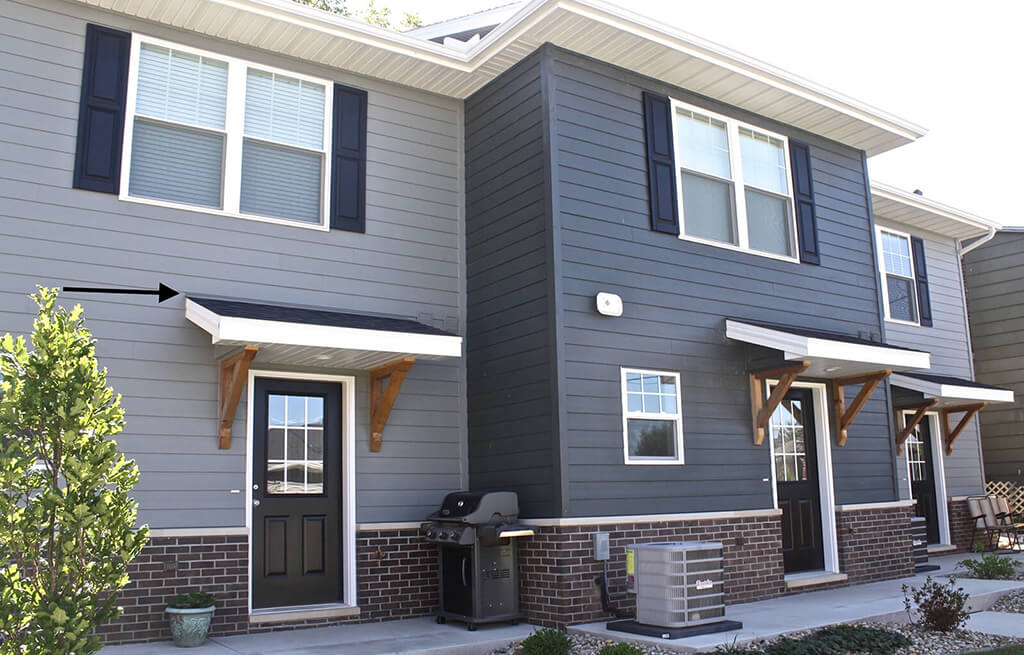
The design choice also affects cost. Replicating an unusual older configuration can be more expensive than moving to a simpler arrangement. Yet a simpler arrangement is not automatically better if it compromises the home’s exterior balance. This is where judgment matters more than formulas. Saving money on paper and disliking the result every time you pull into the driveway is not a bargain.
A sensible way to evaluate options
When several replacement paths are on the table, I like to weigh them against a few practical priorities rather than getting lost in product brochures:
- climate-fit performance for Sacramento
- how the new layout serves the room
- how well the exterior proportions are preserved or improved
- what the surrounding wall condition requires
- long-term maintenance expectations
That framework keeps the conversation grounded. It also helps homeowners avoid overvaluing one feature while ignoring the broader outcome.
Where good projects usually land
The strongest replacements tend to avoid extremes. They do not chase the flashiest design, and they do not blindly duplicate old assemblies that never worked especially well. Instead, they refine. They improve comfort, respect the house, and address the opening as part of the whole exterior.
In Sacramento, that almost always means paying close attention to energy performance and solar control. It means choosing products with climate in mind, not just showroom appeal. It means understanding that older combination units often touch more than one trade, because windows, trim, and siding meet at the same vulnerable edge.
That is why homeowners are usually happiest when they work with someone who can look past the frame and glass alone. A thoughtful window and siding contractor sees the full picture. They understand that a replacement assembly has to perform in summer heat, satisfy code and energy expectations, integrate with the existing wall, and still look right when the work is done.
Replacing dated combination window assemblies is one of those projects that can quietly transform a house. Not because it is dramatic, but because it solves several nagging problems at once. Better comfort. Better efficiency. Better function. A cleaner exterior. Less daily irritation. When local exterior specialists Sacramento the new assembly is chosen well and installed with care, the improvement feels immediate, and it keeps paying back every hot Sacramento season after that.